
Prebiotics and their beneficial effects on your skin using BioB products
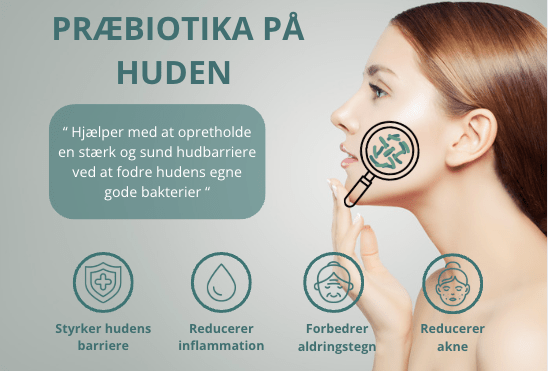
Prebiotics on the skin are a growing field of research focused on promoting a healthy skin microbiota by “feeding” the beneficial bacteria that naturally live on the skin. Unlike probiotics (living microorganisms), prebiotics are non-living ingredients – often plant-based fibers such as inulin, fructooligosaccharides (FOS) and many others – which selectively stimulate the growth of beneficial microbes. This can strengthen the skin barrier, reduce inflammation and improve conditions such as atopic dermatitis, acne and signs of skin aging.
Mechanisms of action
Prebiotics work by:
-
Promote the growth of beneficial bacteria such as Staphylococcus epidermidis and Cutibacterium acnes in their non-pathogenic forms, which helps maintain a healthy microbiota.
-
Counteract the overgrowth of harmful microbes , such as Staphylococcus aureus , which is associated with inflammatory skin diseases such as atopic dermatitis.
-
Stimulate the production of short-chain fatty acids (e.g. butyrate), which have anti-inflammatory properties and strengthen the skin's barrier function.
-
Increase skin hydration by influencing bacteria metabolism and promoting the production of beneficial lipids and fatty acids.
Clinical uses and effects
1. Atopic dermatitis (eczema)
Several studies show that topical application of prebiotics can improve symptoms of atopic dermatitis by restoring the balance of the skin microbiota and reducing inflammation. A systematic review highlights that prebiotics can modulate the skin microbiome and improve the condition of patients with atopic dermatitis.
2. Skin aging
Prebiotics have the potential to improve signs of skin aging, such as fine lines and dryness, by promoting a healthy microbiota and increasing skin hydration. A panel study with dermatologists and microbiome researchers indicates that topical application of prebiotics may help reduce signs of aging by improving the skin microbiome.
3. Acne and rosacea
Imbalances in the skin microbiota play a role in the development of acne and rosacea. Prebiotics can help restore balance and reduce inflammation. Experts are discussing the potential of using prebiotics as part of acne treatment by targeting dysbiosis in the skin microbiome.
📊 Evidence overview
|
No.
|
Source
|
Key insights
|
|---|---|---|
|
1
|
Prebiotics can modulate the skin microbiome and improve symptoms of atopic dermatitis.
|
|
|
2
|
Topical application of prebiotics may reduce signs of skin aging by improving microbiome diversity.
|
|
|
3
|
Dysbiosis in the skin microbiome is linked to acne; prebiotics can help restore balance.
|
🧾 Conclusion
Prebiotics on the skin represent a promising approach to improving skin health by supporting the beneficial bacteria naturally found on the skin. Current research indicates that prebiotics may play a role in the treatment of atopic dermatitis, reduce signs of skin aging, and help balance the microbiome in conditions such as acne and rosacea. While the results are promising, further clinical studies are needed to determine the most effective prebiotic compounds and their use in skin care.

Written by dennis vogelius
Leave a comment
This site is protected by hCaptcha and the hCaptcha Privacy Policy and Terms of Service apply.